NEXT IN DRY MOLDED FIBER
Plastic-like fiber caps
Closures are everywhere. Small in size, but critical in function. And still, overwhelmingly made from plastic. This is starting to change.
In the beginning of caps & closures
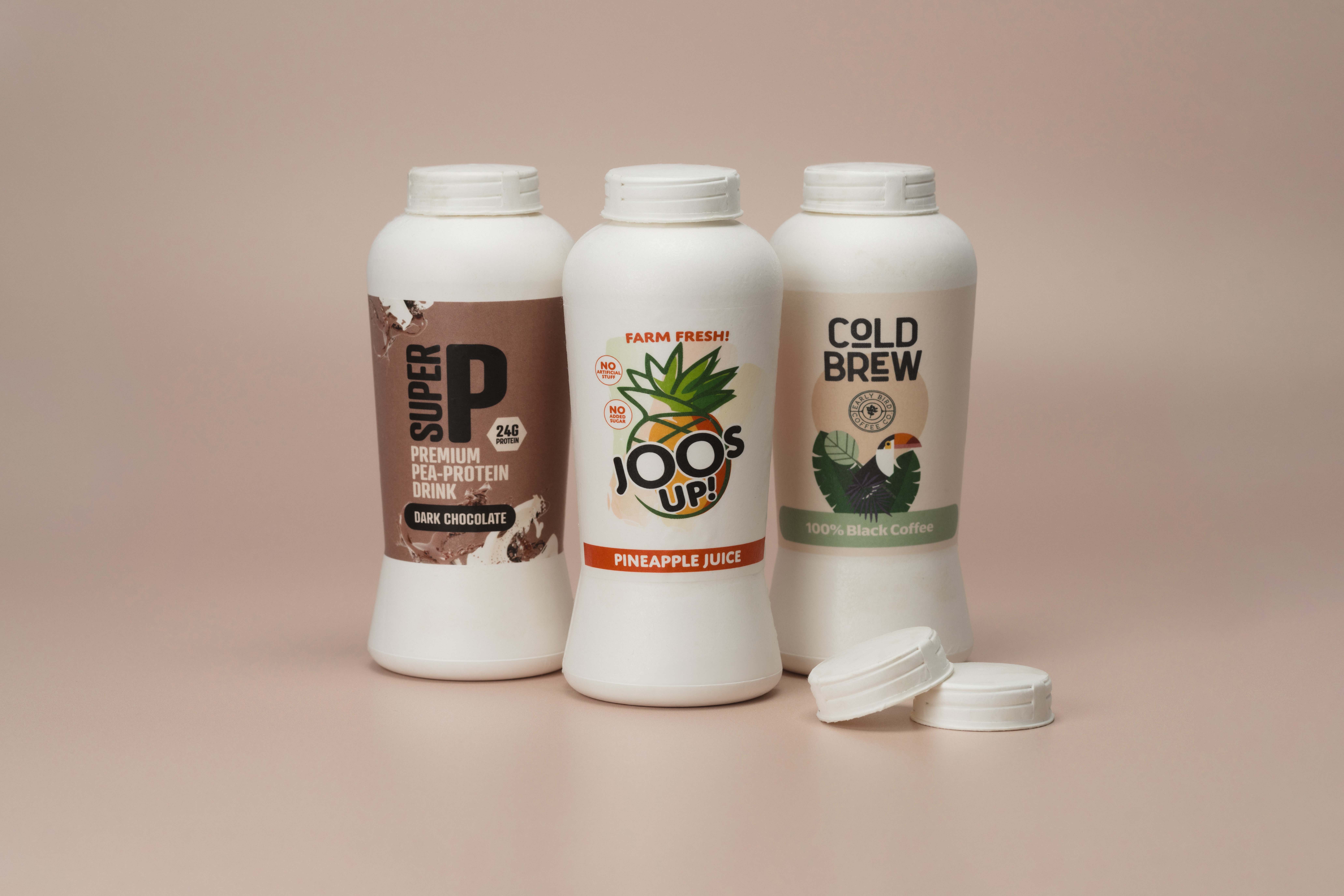
PulPac continues to expand the possibilities of fiber-based packaging, now introducing a new generation of bottle caps currently under development.
Unlocking a new category
Building on years of development in Dry Molded Fiber, PulPac is moving into one of the most demanding and widely used packaging components: caps and closures. Not as a simple material substitution, but as a rethinking of what a fiber-based closure can be.
Early tests indicate promising performance across several key parameters, including thread engagement, opening and closing functionality, sealing architectures, and overall tactile experience.
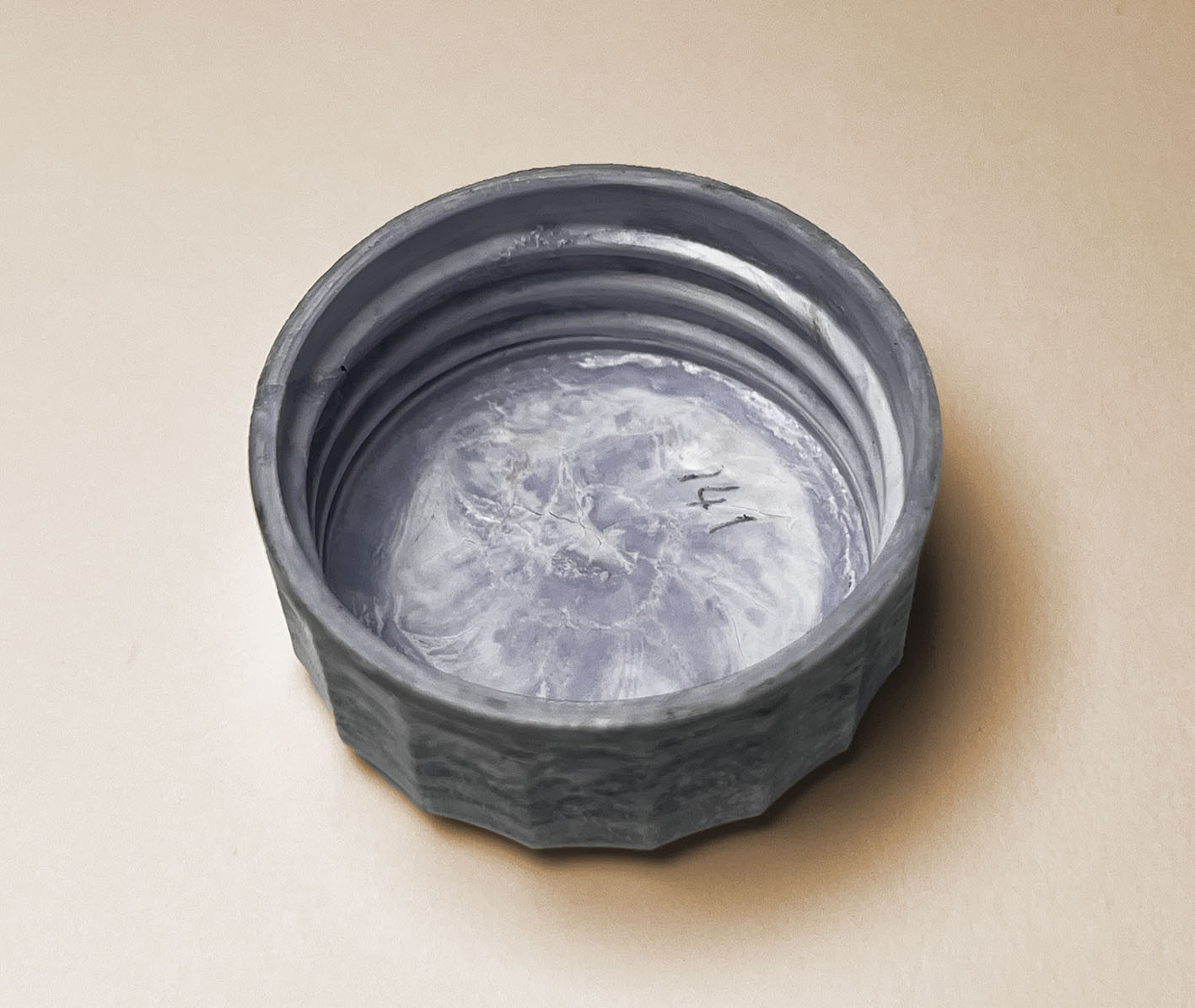
The caps also enable a high level of design flexibility, including the ability to differentiate the inside and outside of the cap, opening new possibilities for both function and brand expression.
What makes this particularly interesting is how these elements come together in use. The precision of the threads, the resistance when opening, the sound, the feel in hand. It behaves much closer to plastic than most would expect from fiber.
The development is carried out together with PA Consulting and Optima, PulPac’s designated machine partner for this segment, in close dialogue with stakeholders across the value chain, including companies like SIG.
“We believe in Dry Molded Fiber technology, paving the way for innovative and responsible alternatives to plastic closures. It is one of the most scalable paper-based solutions on the market with great potential to boost progress in the transition from plastic to paper-based closures. It is also a crucial enabler in our ambition to maximizing paper content in packaging, while maintaining the performance consumers expect.” Gavin Steiner, CTO, SIG
Closures are not a detail, but a critical component in progressing toward packaging systems with higher paper content, where both the container and the cap are rethought as part of the same material system.
Early versions have already been produced and tested in real-life environments as part of ongoing bottle and packaging evaluations. What is emerging is not just a technical validation, but a growing interest in scalable, paper-based closure solutions that can work within existing packaging systems.
Not a finished answer, but the beginning of a new category where fiber is no longer seen as a limitation, but as a material capable of meeting expectations once reserved for plastic. A first step toward what comes next.

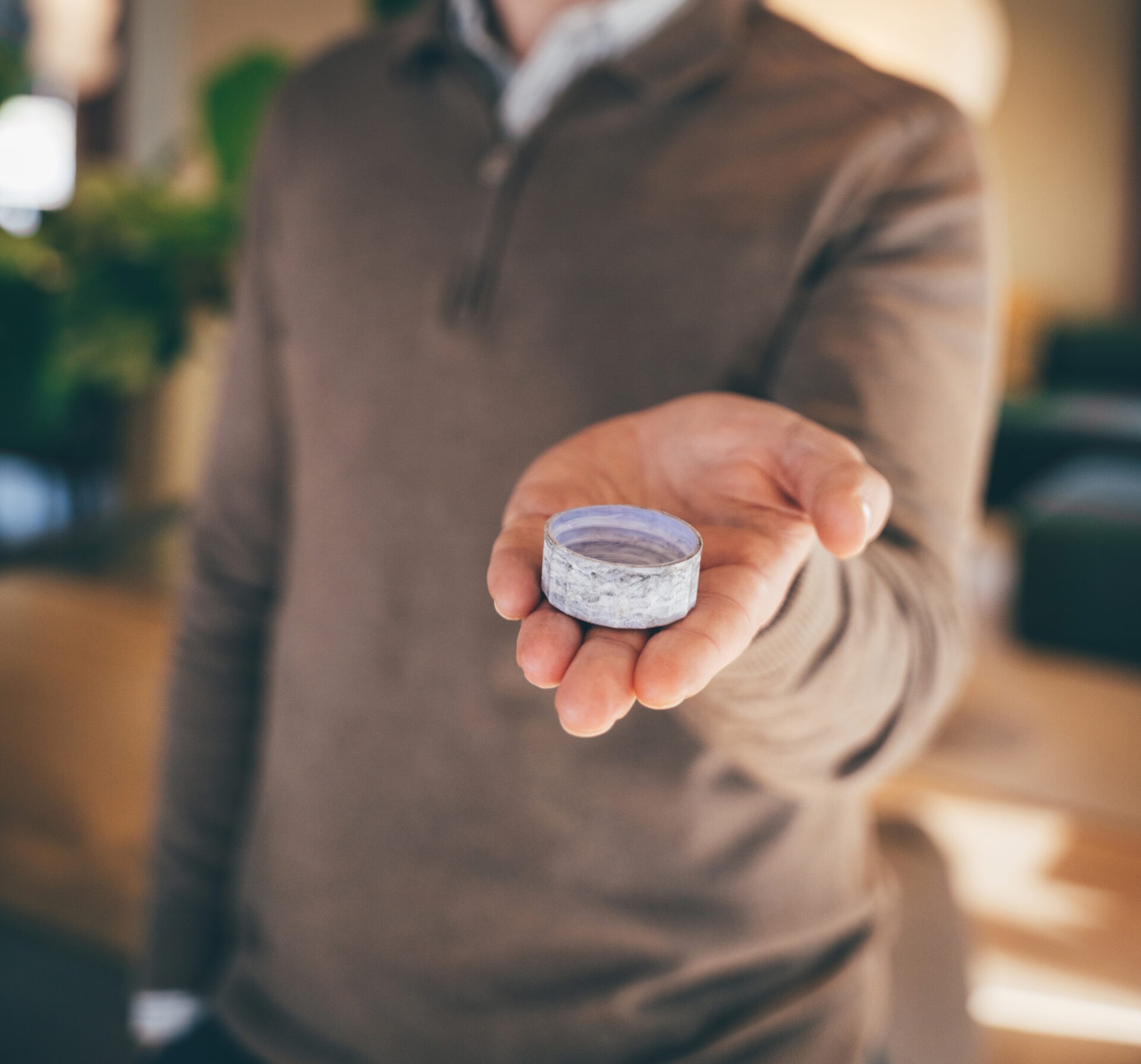
“The first reaction when people get to hold the caps is often disbelief that it’s fiber. The look, the sound, the feel, it challenges expectations. It’s something you need to experience to fully understand.”
– Charlotte Walldahl, Chief Technology Officer, PulPac
More stories like this

Story from PulPac
A local love story
Even a coffee-to-go should be the best version of itself.
06 March 2024